
Garage Door Spring Repair and Replacement on the First Visit
Why Brainerd Trusts Advantage Garage Door Pros for Garage Door Spring Replacement
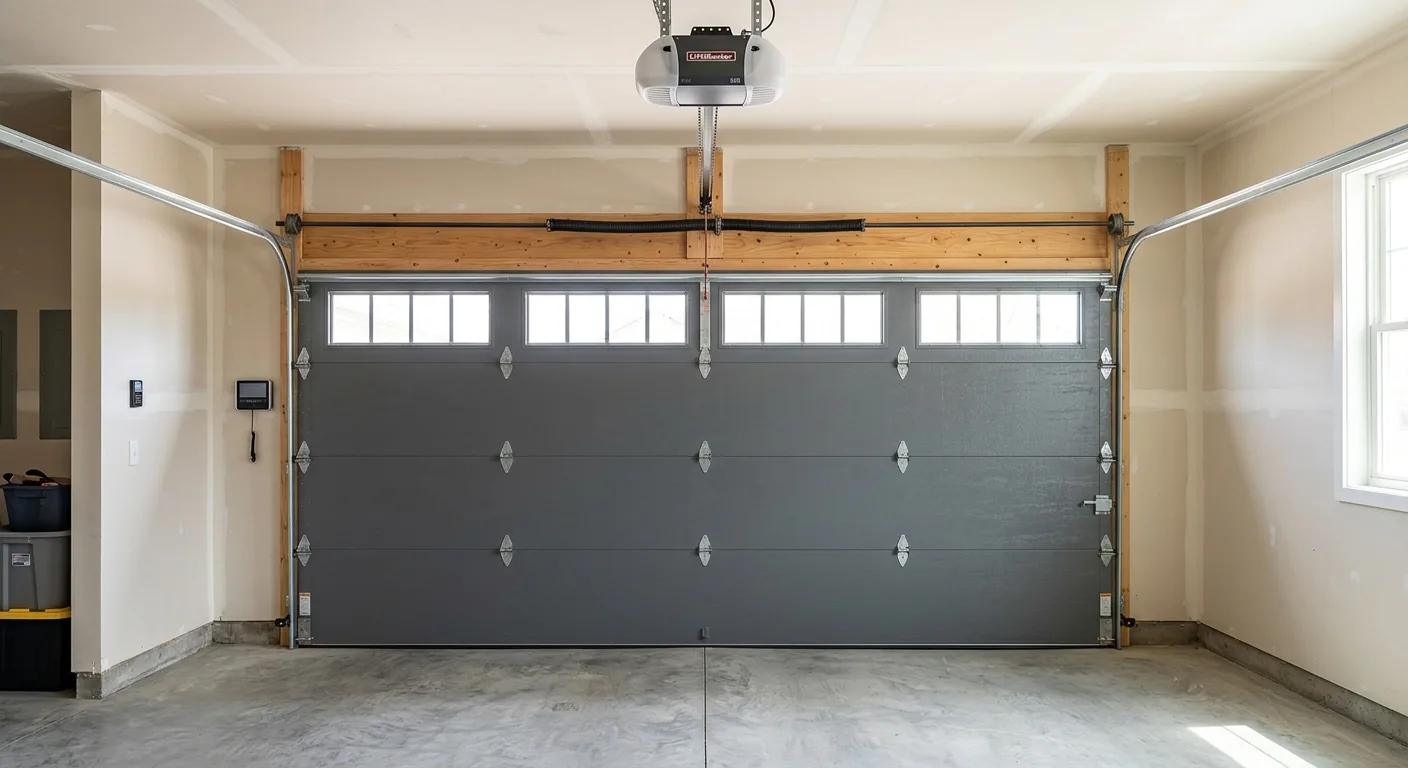
Garage door spring repair is one of the most common emergency calls we run, and it is one you want done right the first time. It locks your car in, blocks your day, and puts real stress on every other part of the door system. Garage door spring repair is one of the most common calls we get, especially through the cold months across Brainerd, Baxter, and the older homes around Crosby and Aitkin where temperature swings hit the metal hardest. It is also one of the most dangerous jobs a homeowner can attempt without the right tools and training. Advantage Garage Door Pros has been handling spring replacements for 16 years. We are fully insured, bonded, and available for emergency service when your spring snaps at the worst possible moment. Call (218) 515-2702 and we will get your door moving again.
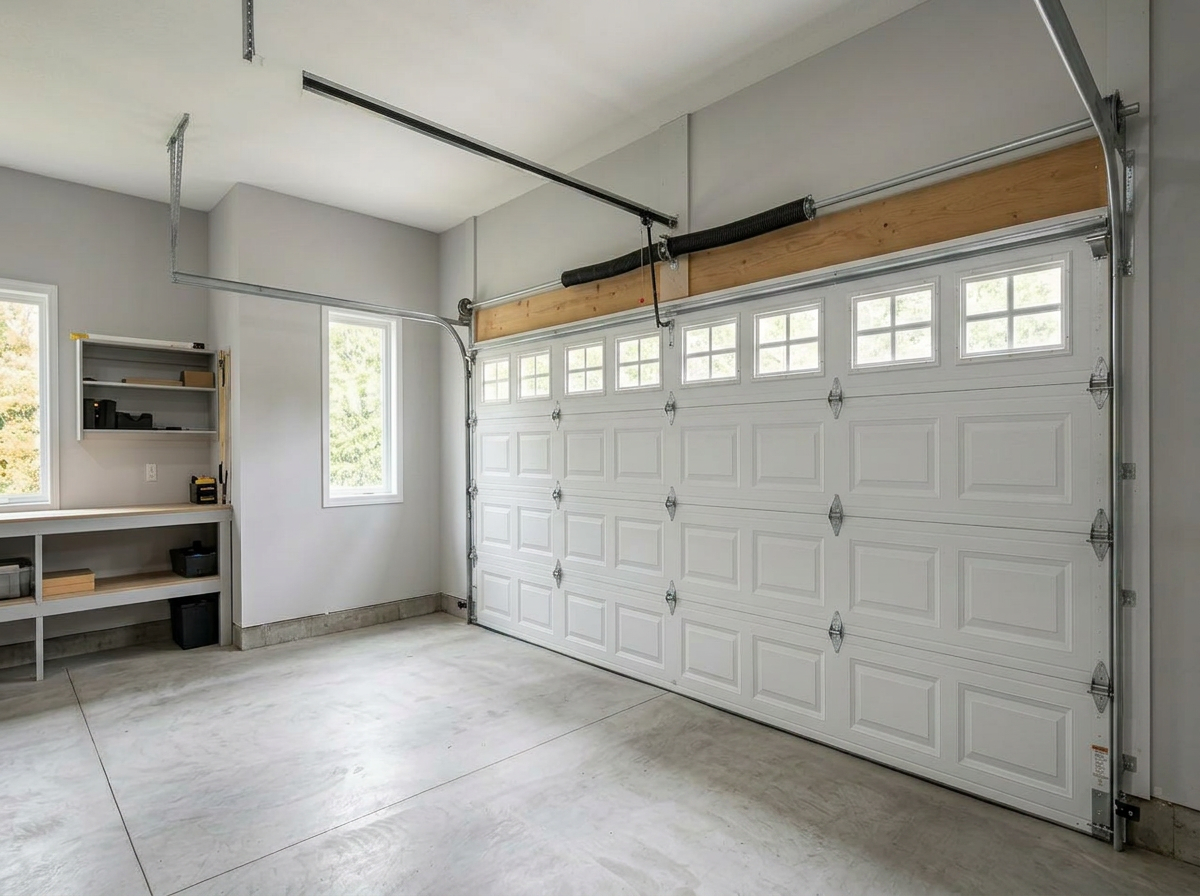
Torsion springs and extension springs fail differently, and the right fix depends on your door's weight, height, and how the system was originally set. A standard single-car door with a torsion spring runs on a different cycle count and load rating than a heavy double door with extension springs on both sides. Spring replacement costs vary based on spring type, door size, and whether cables or drums need attention at the same time. Costs can range from a few hundred dollars up to 1,000 dollars or more for complex double-door setups with additional hardware wear. We do not give you a number until we have looked at the door. Every job is different. Contact Advantage Garage Door Pros for an accurate estimate.
- Fully insured & bonded
- 24/7 emergency response
- Local crew since 2010
- No callbacks, no upsells
Ready to get this done right?
Local crew, fully insured, 24/7 emergency service.
Why a Snapped Spring Is a Same-Day Problem
Most garage doors weigh between 130 and 400 pounds. The spring does nearly all of that lifting, and your opener just guides the movement. When the spring breaks, the opener is suddenly working against dead weight it was never designed to carry. Running the opener on a broken spring bends tracks, strips gears, and burns out motors fast. Don't do it. One failed spring becomes a full opener repair if you keep forcing it. Call us instead. We carry torsion and extension springs in the most common sizes on every service vehicle, which means most spring replacements get done in a single visit. That holds whether we're rolling out to a home in Alexandria, down to a service call in Little Falls, or up to Wadena. We also check your garage door cables and drums while we're there, because cables that were already worn are the next thing to go.
Torsion Springs vs. Extension Springs: What You Actually Have
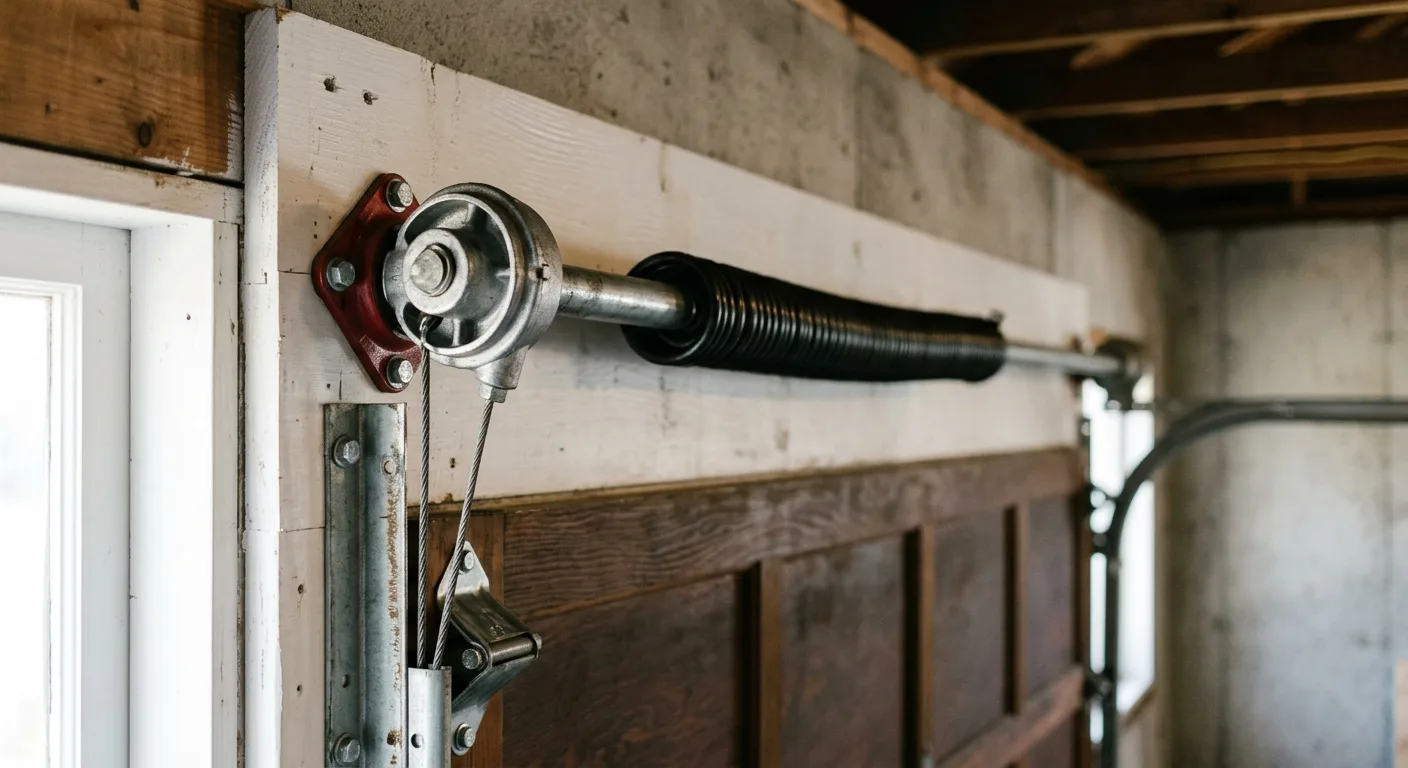
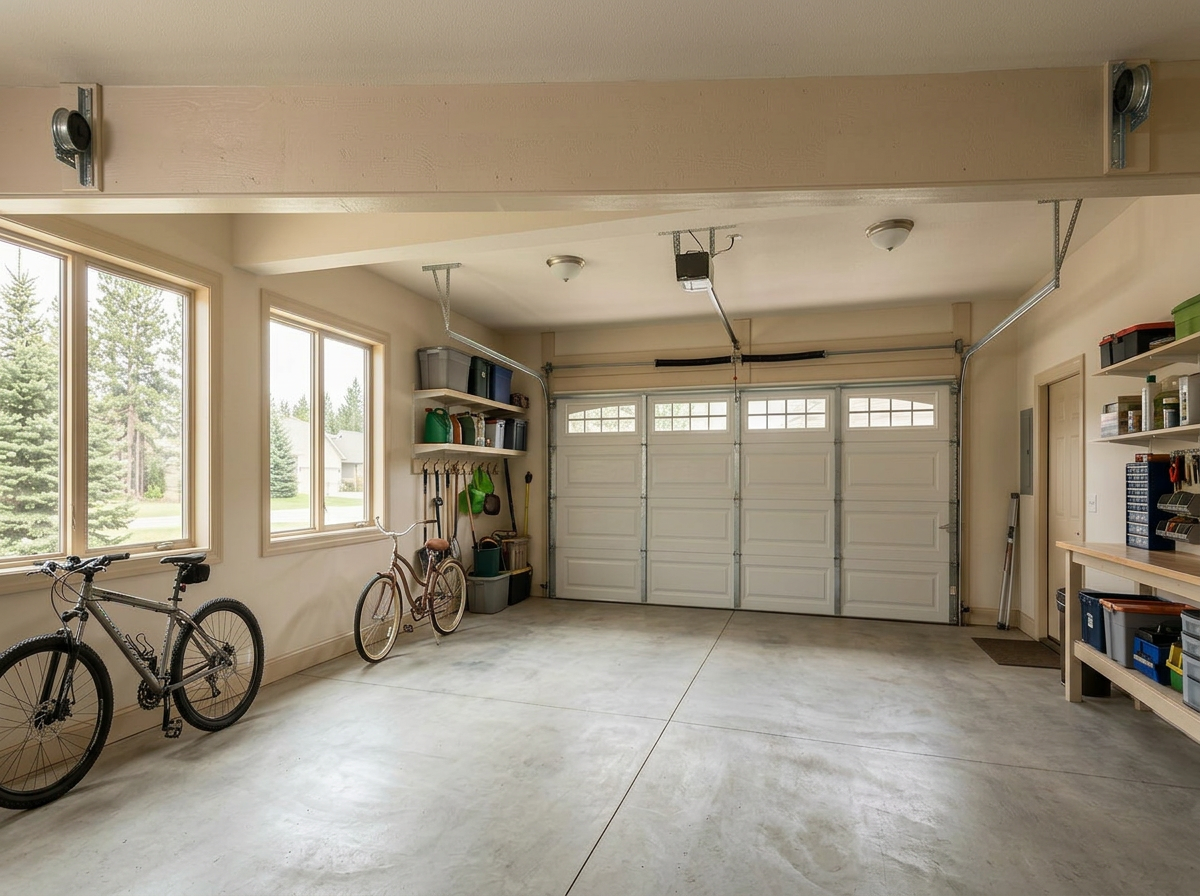
Torsion springs mount horizontally above the door opening on a metal shaft. They're the standard on most modern residential garage doors and they're engineered for a specific number of cycles, typically 10,000 to 20,000 depending on the grade. Extension springs run along the horizontal tracks on either side and stretch under tension to counterbalance the door's weight. They're more common on older, lighter doors and require safety cables threaded through them. If you're not sure which system you have, that's fine. We'll identify it on-site. What matters is that the replacement spring matches the door's exact specifications. An undersized spring will fail prematurely. An oversized one can damage the door hardware or throw off the balance entirely.
Have a project in mind?
Free, no-pressure quote. Same-day response.
What Happens During a Spring Replacement
First, we release any remaining tension safely. This is the step that injures DIYers every year. A torsion spring under load stores enough energy to cause serious injury if it releases uncontrolled. After tension is off, we remove the old spring and measure the door's specifications: weight, height, track radius, and wind direction. We install the correct replacement spring, set the tension precisely, and test the door's balance by disconnecting the opener and lifting by hand. A properly balanced door should hold itself open at about waist height without drifting up or dropping. That precision matters most on the heavier doors we see on lake homes around Nisswa and Pequot Lakes, where slightly oversized openings are common. We also inspect the opener connection and run the full open-close cycle before we leave. Craftsmanship means we don't cut that step short.
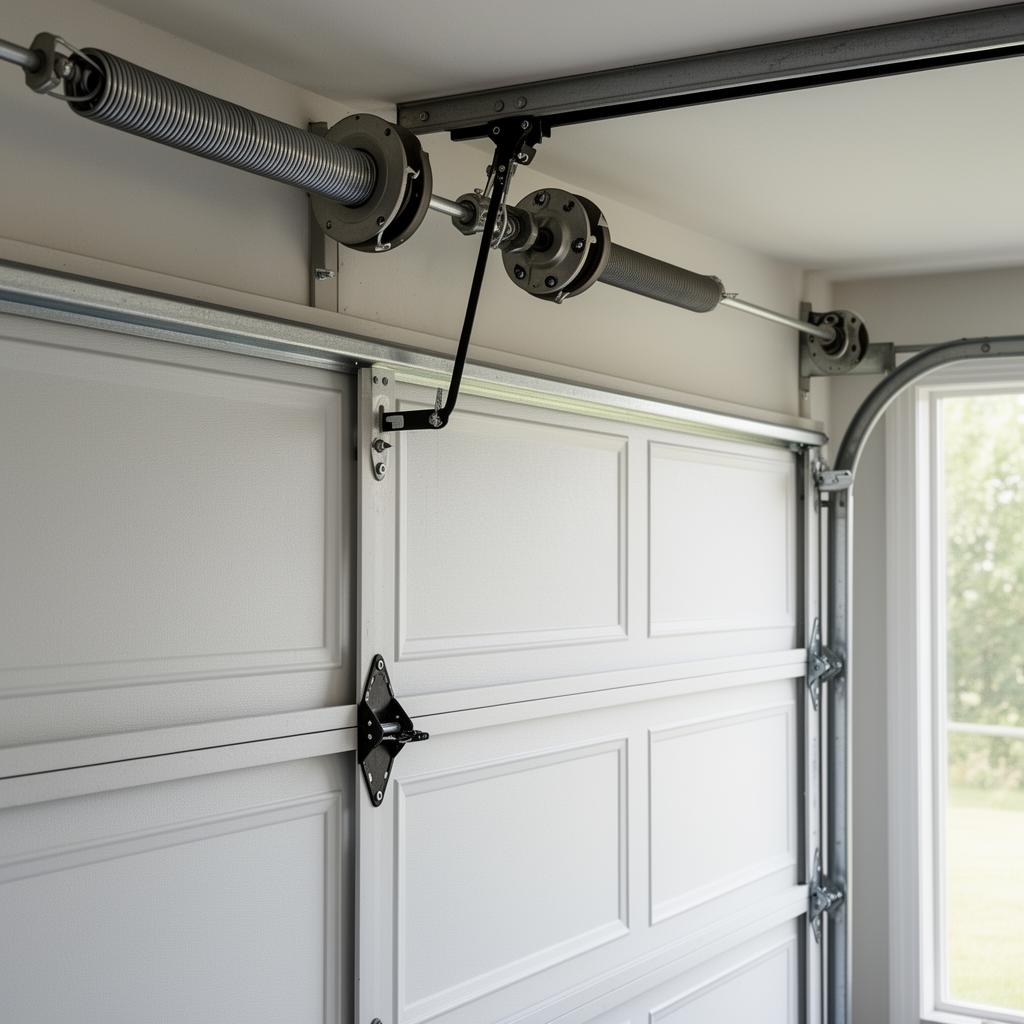
High-Cycle Springs vs. Standard Grade: The Difference Matters
Standard springs that come stock on many doors are rated for 10,000 cycles. Sounds like a lot. At four open-close cycles per day, that's about seven years, and that's assuming the spring was installed with correct tension from day one. High-cycle springs rated for 25,000 to 50,000 cycles cost more upfront, but they outlast standard springs by a wide margin and they're what we recommend for doors that see heavy daily use. Honestly, most homeowners don't know what grade of spring is on their door. If your door is more than eight years old and you've never had the spring replaced, there's a real chance it's already working on borrowed time. That risk goes up in cold-climate towns like Crosby and Aitkin where freeze cycles compound the wear. We can tell you exactly where it stands when we're on-site. We also handle custom garage door hardware when you're upgrading to a heavier or larger door.
Have a project in mind?
Free, no-pressure quote. Same-day response.
Garage Door Spring Repair vs. Replacement: Which One You Actually Need
There's a question we hear on nearly every spring call: can you just repair the spring instead of replacing it? Honest answer, a broken spring doesn't get repaired. Once a torsion spring snaps or an extension spring loses its temper, the steel is done and it gets swapped for a new one wound to the door's weight. What people actually mean by "spring repair" is repairing the door's spring system: replacing the failed spring, re-tensioning it correctly, and fixing whatever else failed alongside it. That's the work we do, and here's how the repair-versus-replace call breaks down by part:
- Broken spring, door otherwise sound: straight spring replacement. Match the new spring to the door's weight and cycle needs, re-tension, re-balance, done in one visit.
- Spring broke and cables are frayed or stretched: we replace the spring and the cables together. Paired-age parts fail close together, and sending a tech twice costs you more than doing it once.
- Spring, drums, and bearings all worn on a 15-year-old door: this is a full hardware rebuild, and at that point we'll give you the honest math on rebuild versus a new residential garage door.
- One spring broke on a two-spring torsion setup: replace both. The surviving spring is the same age and same cycle count, so it's weeks or months behind the one that let go.
We run this call daily, and the pattern we see across Brainerd, Baxter, and the older homes around Crosby is that most spring failures are a clean single-spring repair, not a reason to replace the whole door. If your spring just let go, call (218) 515-2702 and we'll tell you on-site which of these your door actually needs.
What Drives the Cost of a Garage Door Spring Repair
Spring repair cost comes down to a handful of specific factors, and anyone who quotes you a firm number over the phone before seeing the door is guessing. We don't do that. What actually moves the price on a spring repair:
- Torsion vs. extension: torsion springs cost more per unit than extension springs, but they're the standard on heavier modern doors and last longer. The right system depends on your door, not on which is cheaper that day.
- Single vs. double spring: a one-car door usually runs a single torsion spring. A heavy double-car door often needs two, which means more parts and more labor to wind and balance both.
- Door size and weight: a 400-pound insulated double door needs a heavier-rated spring than a 130-pound single-car door. Heavier doors, higher spring spec.
- Standard vs. high-cycle spring: a standard 10,000-cycle spring costs less upfront than a 25,000 to 50,000-cycle spring, but on a door you open a dozen times a day the high-cycle spring is the cheaper choice over its life.
- What else failed with it: if the cables, drums, or bearings are worn too, those get handled in the same visit, which is cheaper than two separate calls.
- Same-day and after-hours service: a planned weekday repair and a 24/7 emergency call when your car's trapped before work are different jobs. We quote any after-hours emergency rate upfront, before the truck rolls.
"We look at the actual door, the actual spring, and the actual hardware before we give you a number. That's the only way to quote a spring repair honestly."
That's why every quote starts with a look at the door. Tell us what's going on and we'll come back with a straight number, or call (218) 515-2702 if the door's down right now.
Have a project in mind?
Free, no-pressure quote. Same-day response.
Serving Homeowners Across the Region: Fast Response, No Runaround
We're a local crew that's been protecting homes since 2010. When you call (218) 515-2702, you're talking to someone who actually works on doors, not a call center reading from a script. We run emergency service calls because a broken spring at 7 AM before work is exactly the kind of problem that can't wait until next Tuesday. Our service area covers communities throughout central and northern Minnesota, including Brainerd, Baxter, Alexandria, and out to Grand Rapids, and we run the same emergency spring repair calls into St. Cloud to the south. If your door isn't moving, we want to hear from you today.
Recent Projects


Frequently Asked Questions
Not sure where to start?
Call now or request a free quote — we typically respond same day.
You Might Also Be Interested In


Areas We Serve
Want it done right?
Local crew. Fully insured. Bonded. In business since 2010.