
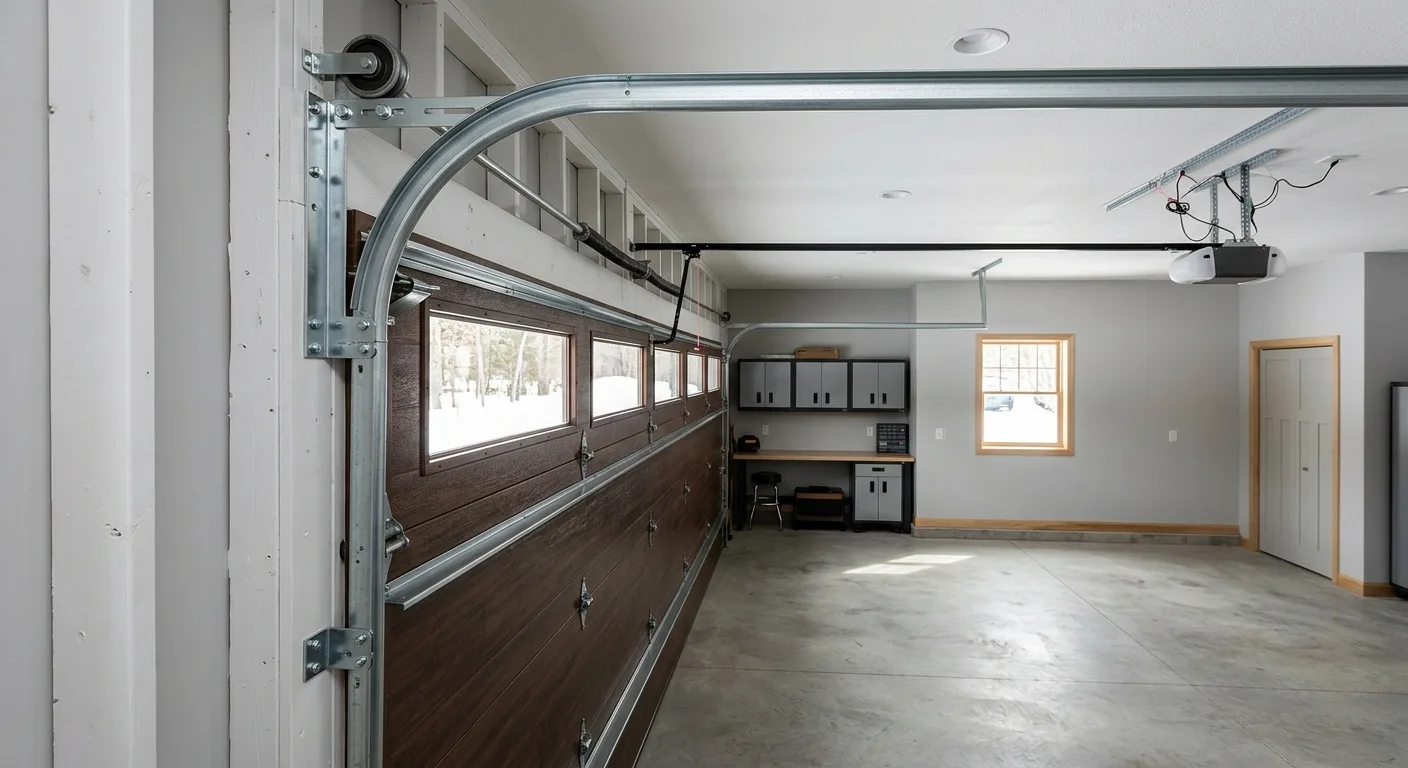
Garage Door Off Track? Here's What To Do First
Don't run the opener and don't shove it back by hand. Here's why a door jumps the rail, whether it's safe to touch, and how we get it re-seated the same day across the Brainerd Lakes area.
Your door jumped the rail and it's hanging crooked. Read this before you touch it.
A garage door off track means one or more rollers have popped out of the metal rail, so the door is hanging at an angle, jammed, and no longer under proper tension. That's the problem you're looking at right now, and forcing it is exactly how a 30-minute fix turns into a bent door, a snapped cable, or a section you can't source. The door's weight is now riding on whatever rollers and cables are still holding, which is not where that load is supposed to go. We run off-track calls across Brainerd, Baxter, and the lake country up through Nisswa and Crosslake, and the pattern is always the same: the door was fine, then it wasn't, and the second cycle is what did the real damage. We've been doing this since 2010, we're fully insured and bonded, and we run 24/7 because a door stuck half-open in a Minnesota January can't wait for Monday. Call (218) 515-2702 and leave the door alone until we've looked at it.
This page is the diagnosis-and-safety side of the problem: what actually pulled the door off the rail, whether it's safe to touch, and what the re-seating job involves. When you're ready for the fix itself, our track realignment service page covers the repair, the hardware, and what drives the cost.
- Fully insured & bonded
- 24/7 emergency response
- Local crew since 2010
- No callbacks, no upsells
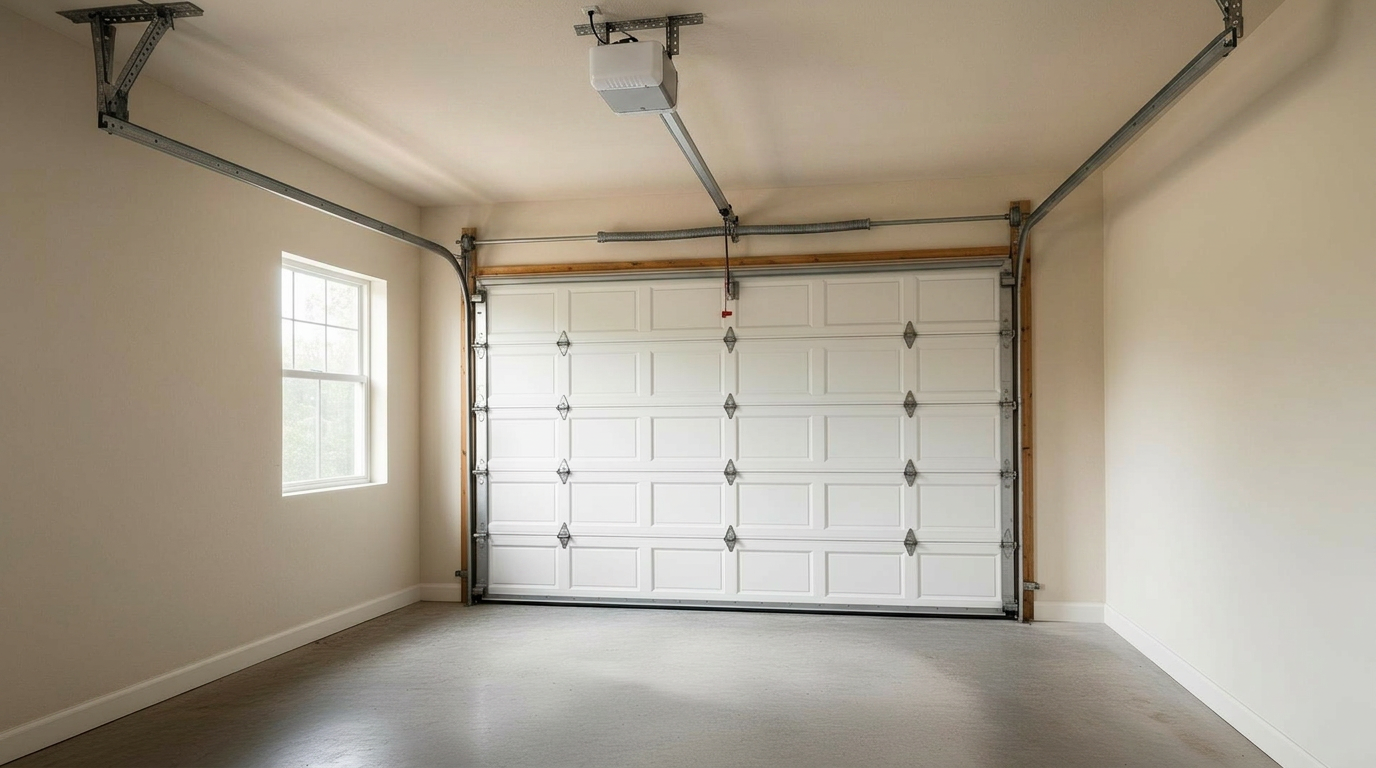
Why did my garage door come off track?
A door comes off track when something breaks the balance between the rollers, the cables, and the rail, and the rollers lose their grip on the metal. Four causes account for almost every off-track call we run, and they each leave a different tell. Knowing which one you're looking at tells you how bad the job is before we ever pull up.
- A broken cable on one side. The most common cause. When a lift cable snaps or slips off the drum, that side of the door drops and the rollers pop straight out of the rail. You'll see the door hanging low on one corner. This is a snapped cable that pulled the door off track, and it's a two-part fix, not one.
- Impact from a vehicle or bump. A bumper tap, a snowblower, a ladder against the door. It only takes a light hit near the bottom of the vertical track to bend the rail enough that the next roller jumps out.
- Worn or broken rollers. Original nylon or steel rollers that have run fifteen-plus years finally seize, crack, or lose their stem, and once one lets go the door drifts sideways and unseats the rest.
- A frozen or stuck bottom seal. In deep cold the rubber astragal freezes to the concrete. You hit the opener, one side breaks free and the other stays stuck, and the door racks sideways off the rail. We see this every hard freeze across the lakes.
Here's the part that matters: the cause changes the fix. A frozen seal is often just a re-seat. A snapped cable means cable work plus re-seating. A bent rail from an impact may need a section of track straightened or replaced. We figure out which on-site, but don't assume it's minor just because the door looks like it only slipped a little.
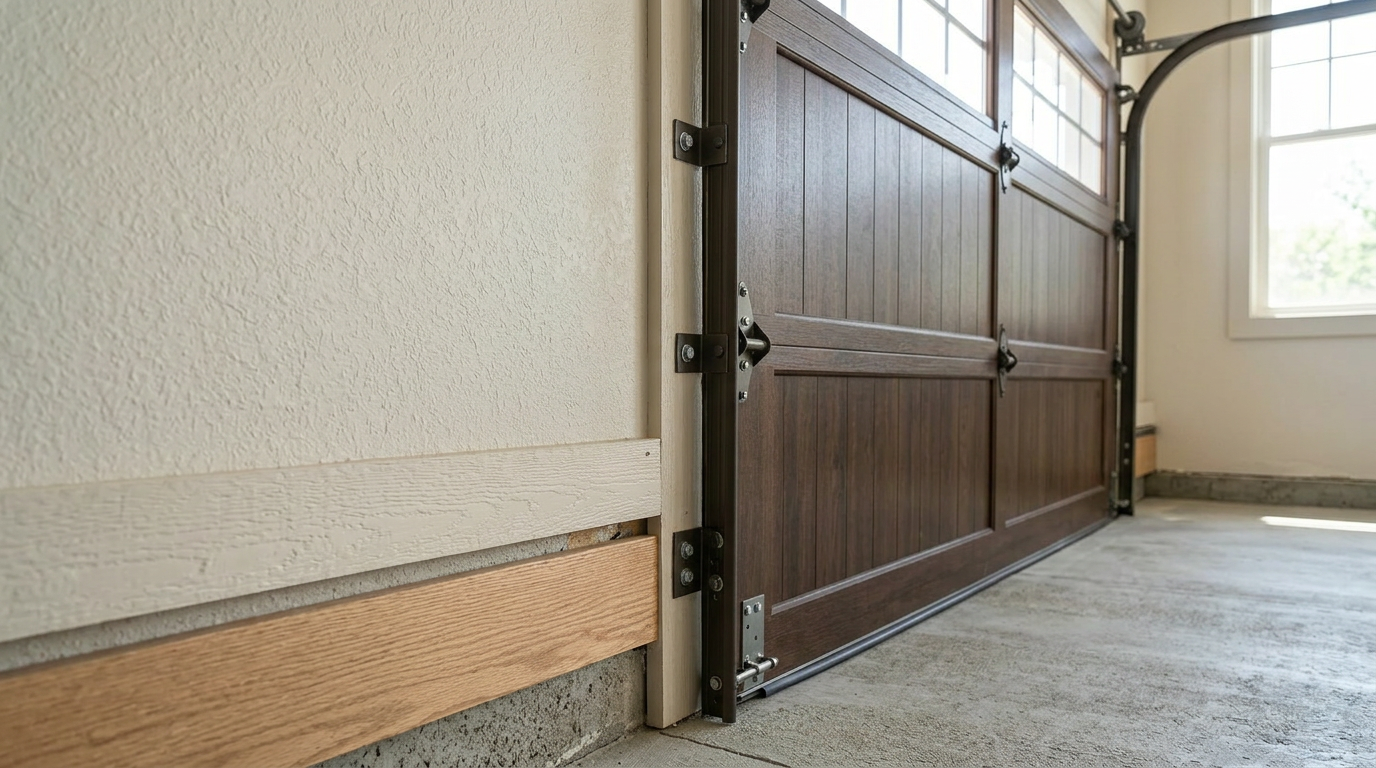
Is it safe to use a garage door that is off track?
No. Not with the opener, and not by hand. An off-track door is held by whatever rollers and cables are still seated, and every cycle asks those remaining parts to carry a load they weren't meant to carry alone. Run the opener against it and you can pull more rollers off the rail, snap the second cable, tear the opener mount off the ceiling, or drop the door. A door that comes down uncontrolled weighs 130 to 400 pounds.
"The off-track calls that turn into big invoices are almost never the original problem. They're what happened after someone kept hitting the button trying to make the door close."
Here's what to actually do the moment you see the door is off track:
- Stop pressing the opener button. Every cycle makes the damage worse and more expensive.
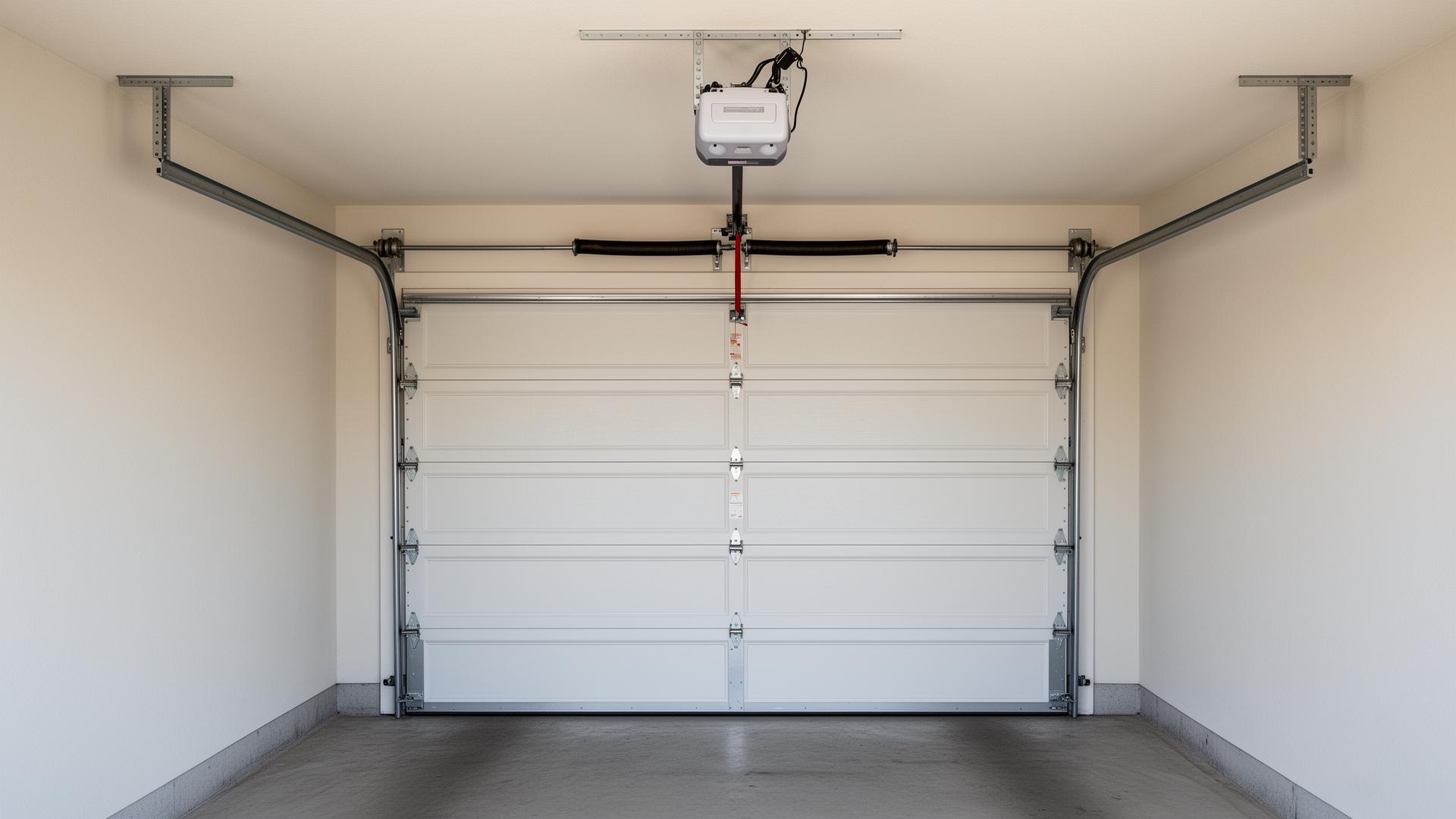
- Pull the manual release rope (the red cord on the opener rail) to disconnect the door from the motor.
- Leave the door where it is. Don't try to level it, close it, or lift it back onto the rail.
- Keep kids, pets, and vehicles clear of the opening until it's fixed.
- Call (218) 515-2702. We run emergency off-track calls because a door stuck open in the cold is a security and heat problem, not a next-week problem.
When this is NOT your problem (don't call us yet)
Straight talk, because it'll save you a service call. If the door still cycles fully but just sounds rough, grinds in one spot, or drags a little on one side, it is not off track yet. That's early track or roller wear, and it's worth catching, but it's not the emergency this page is about. Same if the door won't move at all but is still square in the rails and the opener just hums. That's usually a broken spring or an opener fault, not an off-track door. We'd rather tell you that on the phone than sell you a repair you don't need. Call (218) 515-2702, describe what the door is doing, and we'll tell you straight which one it is.
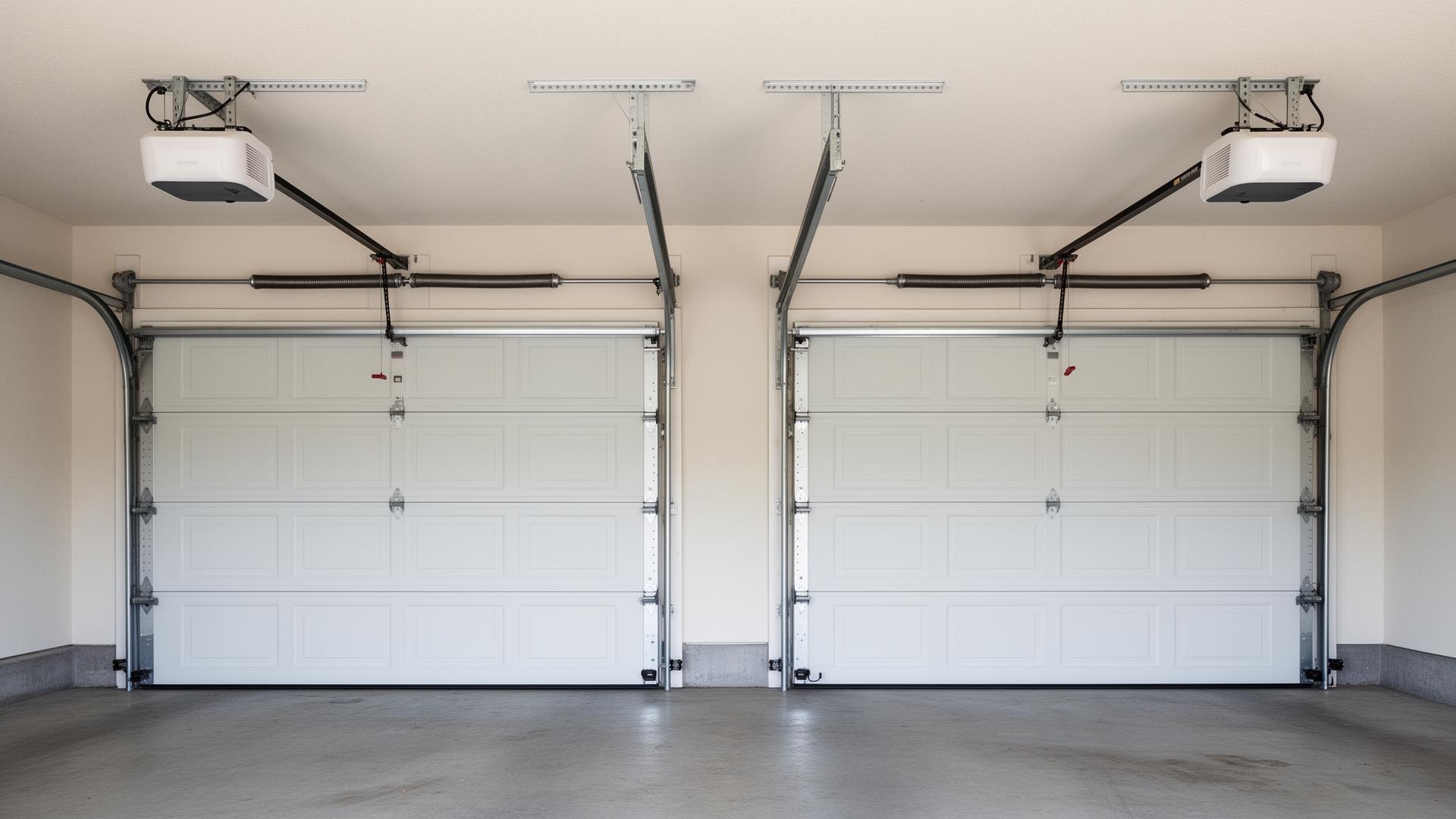
How to put a garage door back on track (and why we don't recommend the DIY version)
The honest answer is that re-seating a door correctly is quick for a tech with the right tools and genuinely risky for a homeowner, because the door is live with spring tension the whole time. Here's what the repair actually involves when we run it, so you know what you're paying for and why the online "just tap the rollers back in" videos leave out the dangerous part.
- Secure the door and kill the tension path. We disconnect the opener and clamp or brace the door so it can't drift while we work. On a door that's off track because of a broken cable, the spring side is unbalanced, and skipping this step is how people get hurt.
- Find the root cause, not just the symptom. A popped roller is the symptom. We check the cables, the drum, the rollers, and the rail for the actual failure before re-seating anything, because re-seating a door onto a bent rail just pops it off again on the next cycle.
- Straighten or replace the damaged rail section. A minor bow near the bottom curve can often be reset. A hard kink or a cracked track gets a new section. This is where our track realignment work overlaps: the tracks have to be plumb, parallel, and sloped right or the door won't hold.
- Re-seat the rollers and re-tension the system. We guide the rollers back into the rail, reset cable tension to the door's actual weight, and re-square the door in the opening.
- Cycle-test before we leave. We run the door through several full open-close cycles by hand and on the opener, check the balance, and confirm nothing binds. We don't call it done until it moves the way it should.
What drives the cost of an off-track garage door repair
The single biggest factor is what caused the door to come off in the first place, because that decides how many parts are in play. A door that jumped the rail from a frozen bottom seal with no other damage is the cheapest outcome: often just a careful re-seat and a balance check. From there the number climbs with each part the failure took with it.
- Simple re-seat, no damage. Rollers popped, rail is straight, cables are intact. The lightest job. Usually done in a single short visit.
- Broken cable plus re-seat. The cable that let go has to be replaced, usually as a pair, and the door re-tensioned. See our cable replacement page for what that side of the work involves.
- Bent or kinked rail. A section of track has to be straightened or swapped, which pulls in our track realignment work. Door height and track gauge move this number.
- Worn rollers or hardware. If the rollers that failed are original and the rest are close behind, replacing the set now saves a repeat call in a few months.
- Bent panel or section. If the door racked hard enough to crease a panel, that may need a section replacement, which is the most involved outcome.
"The cheapest off-track repair is the one you call about before you run the opener a second time. The forced-it-anyway version is the one that adds a cable, a panel, and an opener to the invoice."
We don't give tight numbers over the phone on off-track calls, because the whole point is that the visible symptom hides how many parts moved. What we will do is get a tech out fast, tell you exactly what failed and what it takes to fix it, and quote it before we start. Ready when you are: call (218) 515-2702 and we'll get someone rolling across the Brainerd Lakes area.
Frequently Asked Questions
Not sure where to start?
Call now or request a free quote — we typically respond same day.
Ready to get started?
Local crew, done right, since 2010.